Participation is completely anonymous, and all collected data will be used exclusively for scientific and analytical purposes within the project.
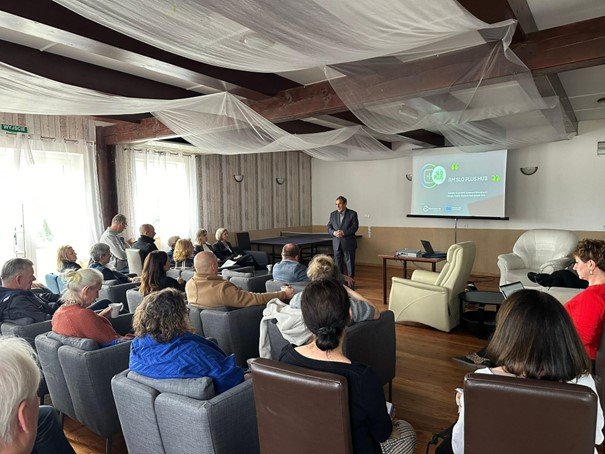
The workshop brought together representatives of academic institutions, local governments, businesses, non-governmental organizations, and business-support institutions. The aim of the meeting was to discuss the hashtagchallenges and best practices related to Social Licence to Operate (SLO) and to present the objectives of the RM-SLO-PLUS-HUB project, which focuses on developing tools to strengthen dialogue between the extractive industry and local communities.
Following the presentations, participants engaged in roundtable discussions, sharing experiences on communication with local communities, the role of environmental education, and responsible industrial planning. The non-governmental organization Polish Association for the Valuation of Mineral Deposits (https://polval.org.pl/) was an active partner of the event, contributing to both organizational and discussion activities.
The event was co-financed in part by VALORWASTE project which was presented during poster session and discussed throughout the workshop.
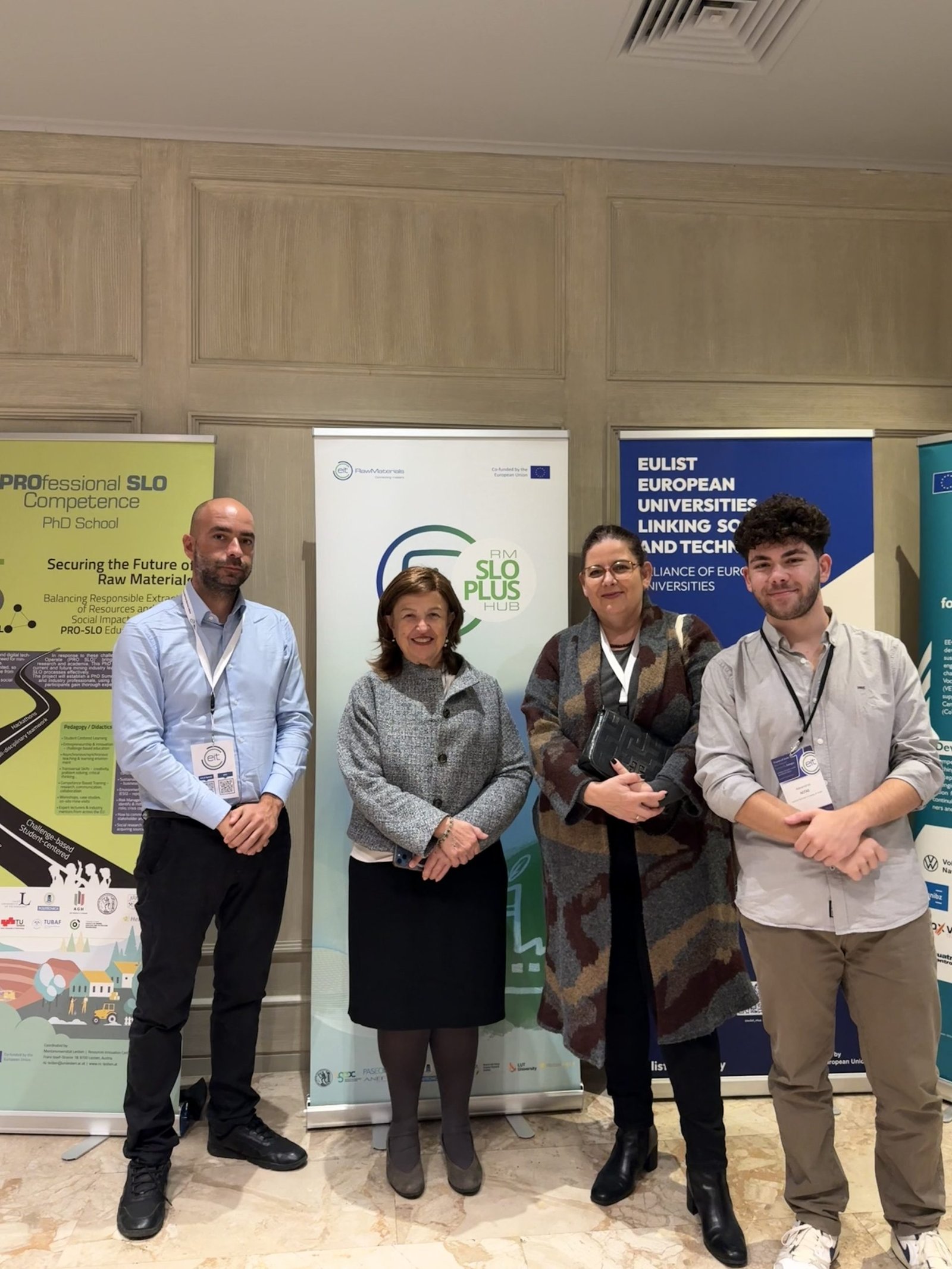
On November 6, 2025, the RM SLO Plus Hub project participated in the 10th edition of the Greek Raw Materials Community Dialogue in Athens, Greece. The high-profile event , supported by EIT RawMaterials, brought together an influential group of policymakers, industry leaders, researchers, academics and representatives from RTOs and civil society. All attendees share a commitment to building a sustainable and competitive raw materials ecosystem in Greece and internationally.
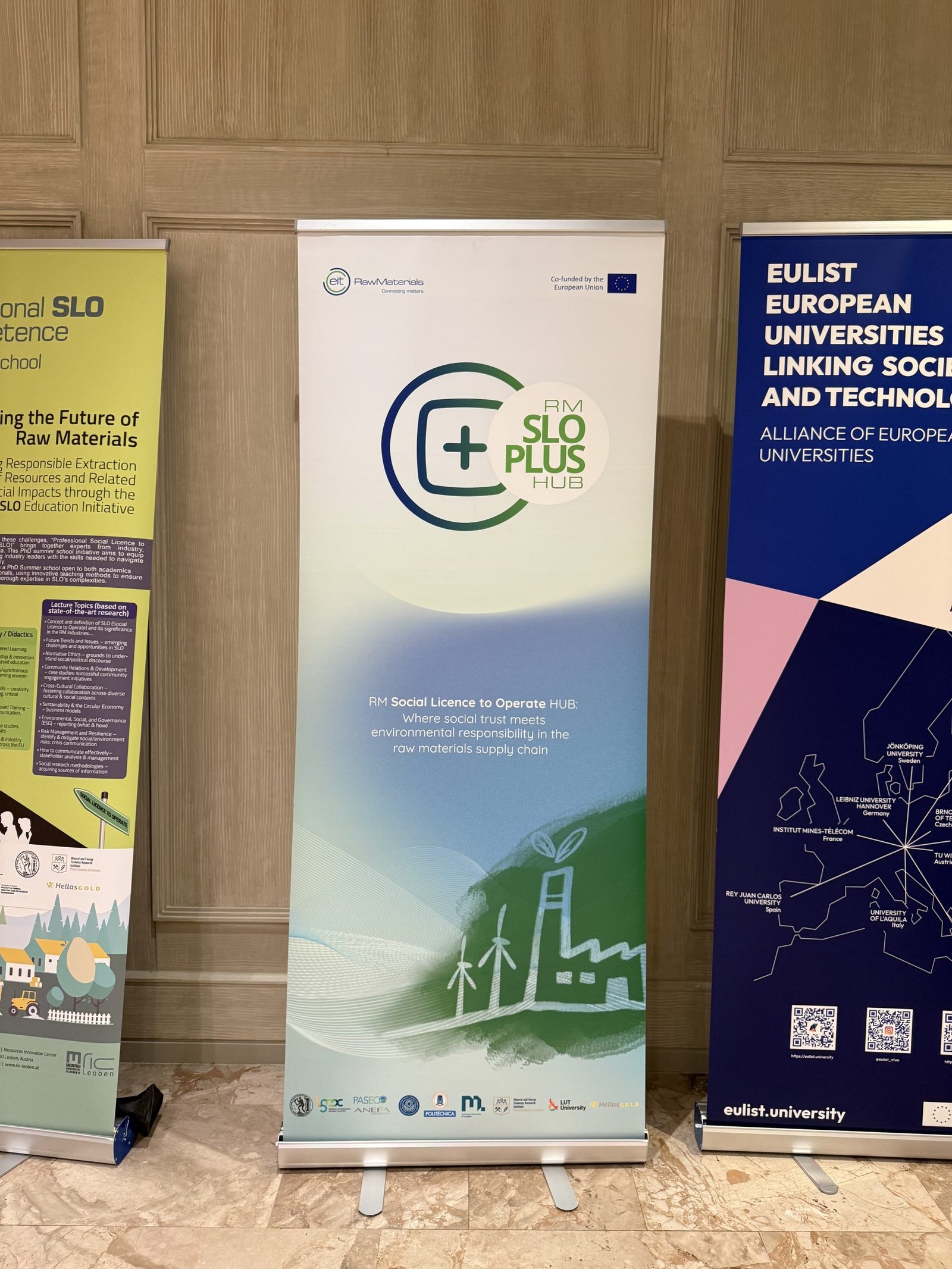
RM SLO Plus Hub contributed to the event with a dedicated project poster, while the initiative was also briefly showcased during Session 3 – Shaping the Raw Materials Future Together: Workforce Transformation and Public Acceptance, moderated by Prof. Em. Katerina Adam.
Participation in this event offered a valuable occasion for the project team to engage directly with key stakeholders, spark meaningful discussions and attract interest from organizations active in the raw materials sector. These interactions laid a strong foundation for future partnerships, knowledge exchange and broader project visibility within the Greek and international raw materials community.
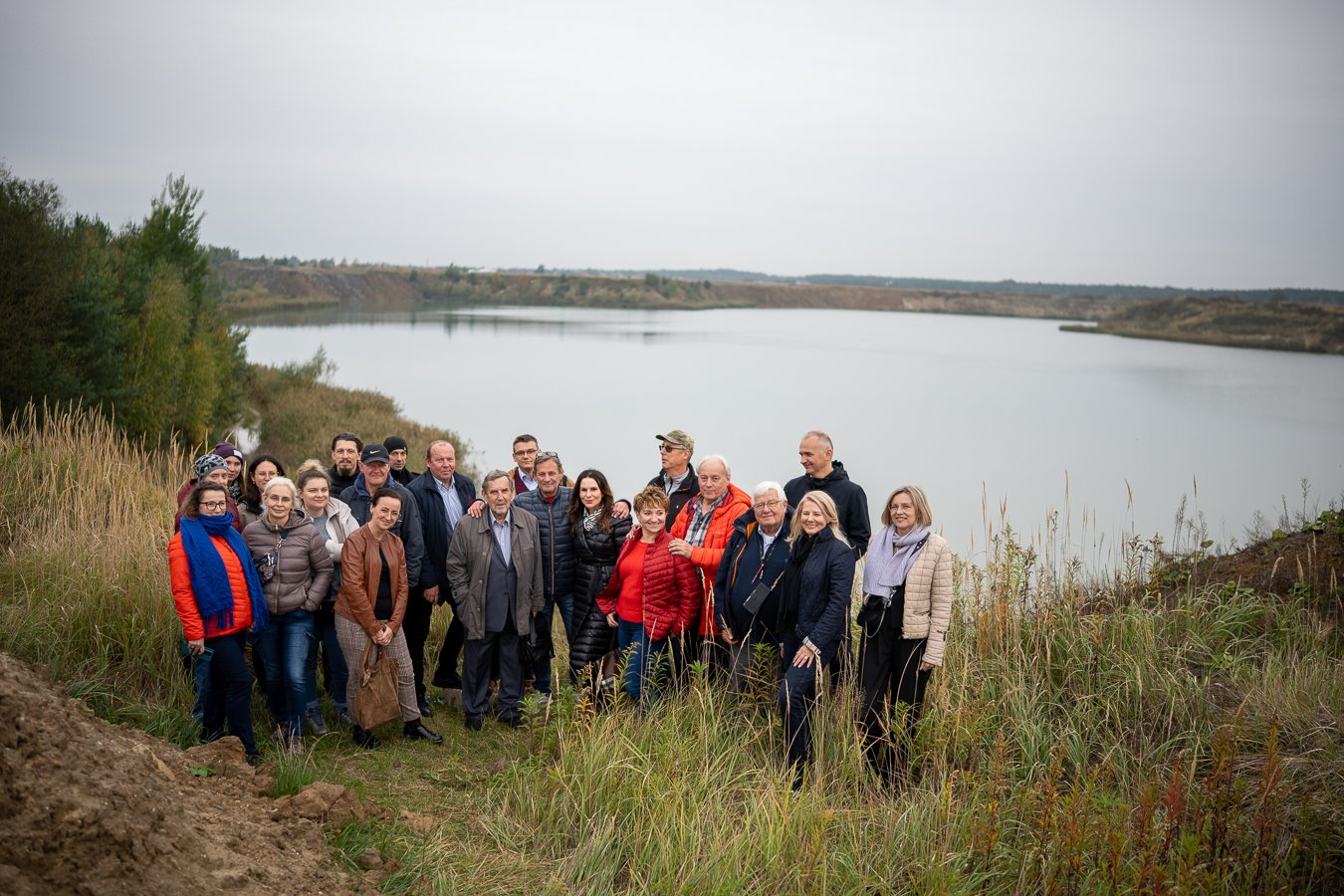
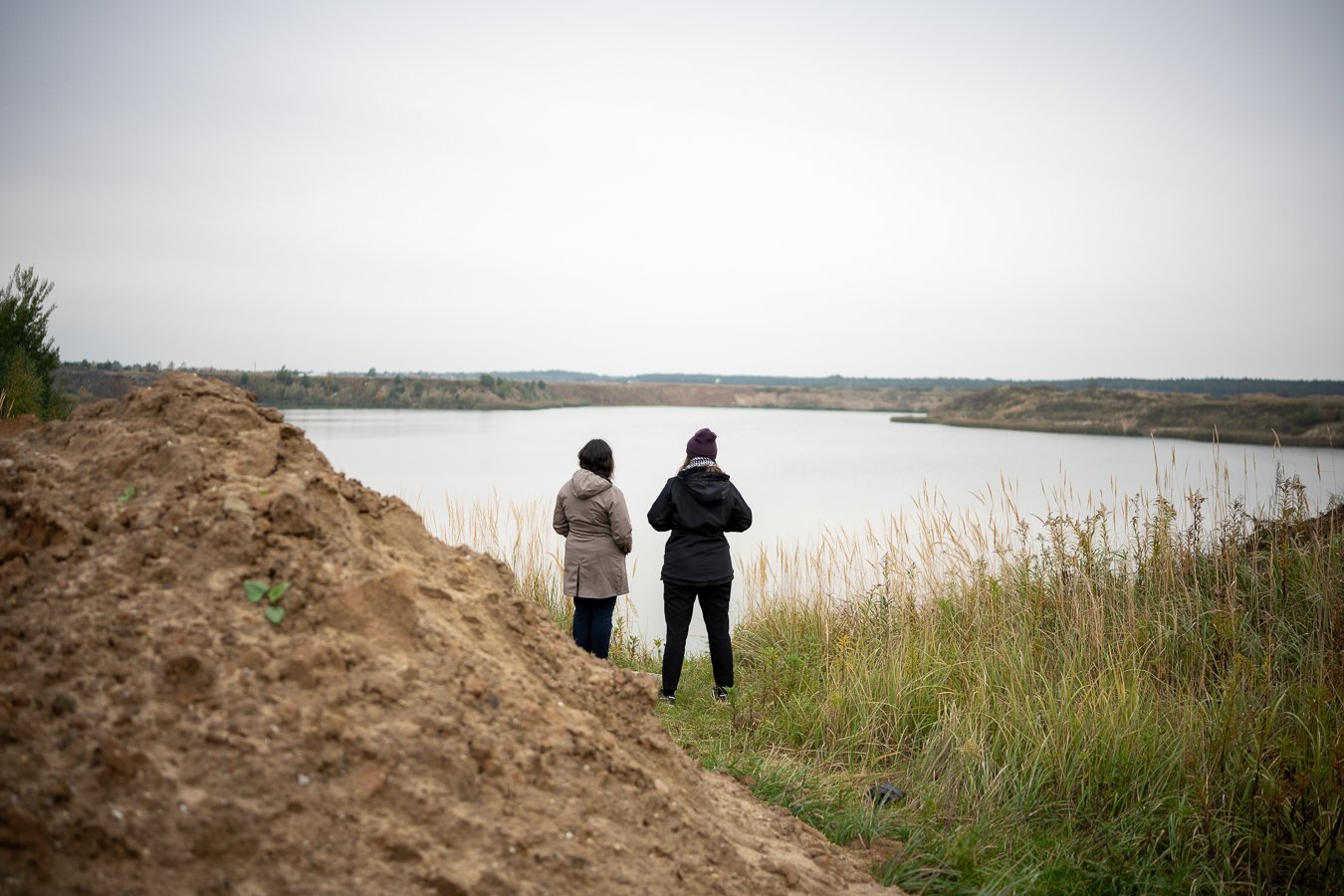
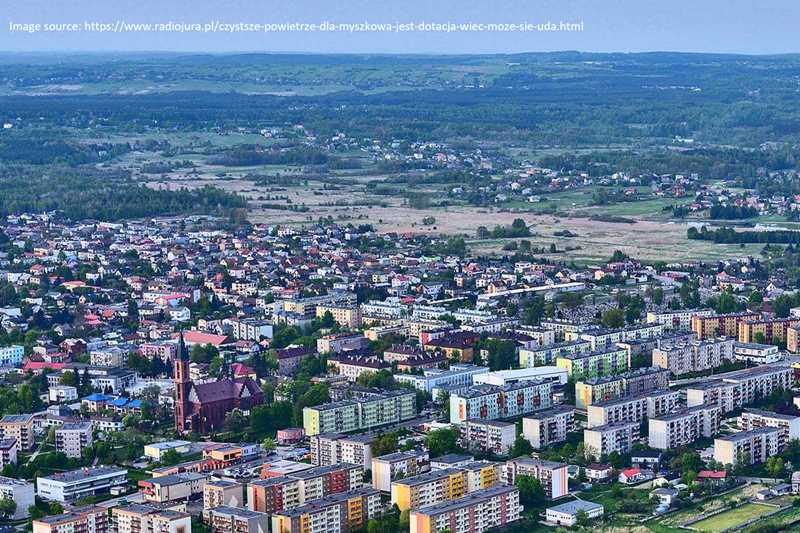
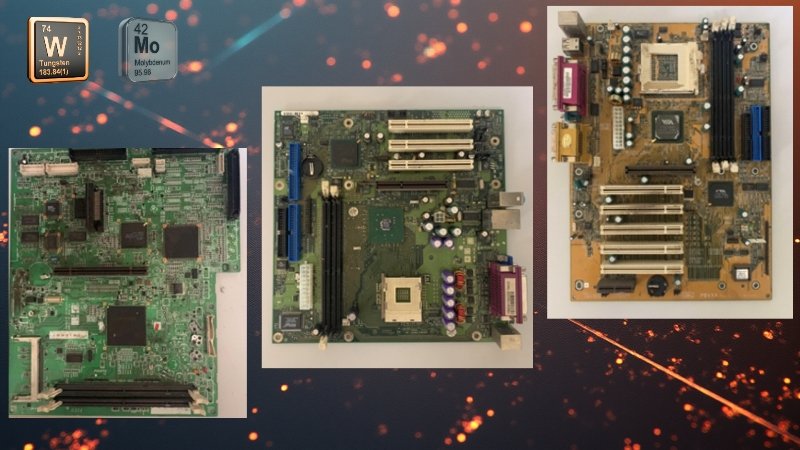
This time our SLO story comes from Poland, more precisely from the small city of Myszków. Namely, in the 1960s, molybdenum and tungstAen ore deposits were discovered and at the same time became a hope for potential economic growth of this city and the entire region. In particular, this topic was relevant at the beginning of the 21st century, when, in 2009, the Australian company Strzelecki Metals Limited conducted research and confirmed the composition of the ore and estimated the value of the deposit. However, the mine construction project was not realized due to concerns that excessive commercial and industrial growth without providing adequate space for the mining facility, would hinder its future development.
After 16 years, in 2025, Myszków is facing the same issue, but this time the initiative is taken by a local joint-stock company with 90% Polish and 10% American capital, confident that it has the skills and tools to conduct new, comprehensive research at the previously mentioned site. Altum Group, with 51% of the shares in this company, has many years of infrastructure and energetics projects behind it, and also has experience in managing projects of strategic importance. This is particularly important considering the tungsten as a critical raw material (CRM) according to the European Commission (Critical Raw Materials act). Thus, both metals are indispensable and irreplaceable components in the metallurgy and electronics industry due to their physical properties such as high melting points, strength and density.
In addition to the reported potential for the economic and industrial progress of Poland and the entire European Union, the question arises whether the research will achieve a Social License to Operate or will it encounter insurmountable obstacles. Although the story of the opening of the mine is still a long way off, there is concern as to whether the project will be implemented in accordance with the highest economic standards and modern mining technologies.
We are sure Poland will find the best balance when weighing the readiness of the investors to respect environmental protection standards and the potential great role of these deposits in European sustainability in critical raw material chains.
Cement and concrete production is one of the most carbon-intensive industries, with large quantities of CO₂ being released due to both production processes in the kiln and fuel combustion. Presently, cement industry makes up to 8% of yearly global carbon emissions. Heidelberg Materials, a 150 years old company is one of the world’s largest manufacturers of building materials, with around 51,000 employees in more than 50 countries across the globe.
This company aims to reduce its specific net CO₂ emissions to 400 kilograms per ton of cementitious material by 2030 (almost half, comparing to 1990) and to achieve net-zero emissions across its entire value chain by 2050. To achieve the set limits, Heidelberg Materials has developed and put emphasis on Carbon Capture, Utilization, and Storage (CCUS) technology that captures CO₂ from production before it reaches the atmosphere. Their Brevik plant in Norway is the first in the world full-scale CCUS facility in the cement industry, where approximately 400,000 tones of CO₂ will be captured annually (half of the plant’s total emission) before it reaches the atmosphere. The captured carbon dioxide will be converted into liquid form and transported to an offshore storage site that is part of the Northern Lights project, a large-scale CO₂ transport and storage initiative in Norway. Captured CO₂ will be injected deep beneath the seabed into porous sedimentary rock layers, preventing it from leaking back into the ocean.
Our project is following these technological achievements with great attention. If goals to decarbonize one of the most carbon-intensive sectors on the global scale, a cement industry, is fully successful, it will set an example for easier access to social licence to operate (SLO) for this type of industry in the future, at some new locations. Ultimately, this can lead to even more creation of the new workplaces for young people in the environmentally acceptable industry and better working conditions.
Founded in 1837, our project coordinators, NTUA is the oldest Technical University in Greece. It consists of nine Schools divided into forty Departments, dealing with specific scientific fields in each School and fostering teaching and research. The NTUA is structured according to the continental European system for training engineers with an emphasis on solid educational background, but is also very active in EU projects.
Its Schools have coordinated and/or participated in more than twenty projects funded by EIT RawMaterials, making NTUA an official EIT RawMaterials Hub in Greece. The Hub serves as a gateway between Greek innovation actors and the broader European innovation landscape shaped by the EIT. Acting as a catalyst for cross-sectoral collaboration, the Hub brings together key players from academia, industry, and the public sector. It facilitates knowledge exchange, supports participation in EU-funded programmes, and helps scale innovative ideas from concept to market.
The RM-SLO-PLUS-HUB project is coordinated by Dr. Katerina Adam, Professor Emeritus at the School of Mining and Metallurgical Engineering (SMME). Professor Adam, together with Dr. Irene Christodoulou, Teaching Associate and Senior Researcher and several external associates such as students and industry experts, present the NTUA team in the project. Regarding the long-term experience and expertise in the mining and metallurgical engineering as well as previous engagements in projects discussing social aspects of raw materials processing sector, NTUA team has the most complex role in the RM-SLO-PLUS-HUB. Their liabilities within the project relate to ensuring effective management, coordination and administration as well as organizational set-up of the Hub which is the projects’ main objective. Together with the rest of the consortium, NTUA will strive to, through trainings, consulting and networking, bring RM operations and societal expectations closer to each other.
On October 6th, our partners from University of Banja Luka participated in EU programmes day which was organized by the Ministry of civil affairs in the parliamentary assembly of Bosnia and Herzegovina, in Sarajevo. This large event brought together more than 600 representatives of BiH institutions, the academic community, cultural and health institutions, civil society organizations, the business community and international partners. The aim was to connect all actors participating in European Union programs, exchanging experiences, strengthening information and promoting successful projects implemented through EU programmes.
Professor Suzana Gotovac Atlagić, leader of the UNIBL team in RM-SLO-PLUS-HUB project, with more than 10 years of experience in EU projects, was one of the panelists. She stressed the importance of engaging young scientists and researchers in European projects in order for them to create their own scientific and project network among different generations. Besides, RM-SLO-PLUS-HUB project main objectives were presented to the audience, motivating them to explore new potential partnerships between ESEE countries and EU in the material sector, all while respecting citizens’ voices and mobilizing the best environment. This is especially important for EU-candidate countries such as Bosnia and Herzegovina which still has a very vibrant industrial scene and is contributing to European material self-sustainability through zinc, bauxite, iron etc.
Our team took the opportunity to meet many old partners from academia and industry, and get their interest in contributing to our project by sharing their experiences in production practices and communications with local communities.
At the very beginning of our project, we would like to introduce you to the main principles of the Social Licence to Operate and its importance in mitigating the current challenges that arise in the European critical raw materials sector, endangering its long-lasting sustainability.
Social Licence to Operate (SLO) is the ongoing acceptance or approval that organisations, industries and companies receive from communities and stakeholders regarding their standard business practices and operating procedures.
SLO is created and maintained slowly over time, as a company builds trust of the community it operates in. Building a social licence involves long-term relationship building with stakeholders, through open dialogue, transparency, responsiveness to concerns, and a visible commitment to fairness and sustainability as the key elements. Trust is earned gradually and must be maintained through consistent behaviour and engagement.
SLO finds its base in the “triple bottom line”, which implies that a company’s performance should be measured equally on social issues, environmental goals and corporate profits. These three aspects are essentially important to be achieved in the mining industry, as one of the leading pillars of European sustainability in the critical raw materials supply chain, which is crucial regarding Europe’s current dependence on the other continents. Obtaining #SLO in the mining industry is essential for ensuring long-term prosperity and common trust in this sector, but also for the overall progress of the continent.
There comes our RM SLO PLUS project, which will bridge the gap between mining and community by helping companies and stakeholders in managing the risks and challenges in their operations. Together we will create a hub for connecting people and mining for Europe’s sustainable future!
Incredible atmosphere and warm greetings between the partners and friends, old ones, new ones, all determined to make the best out of this joint project on European sustainability and material chain strengthening.
Meeting started with our coordinator Prof Adams greeting full of typical Greek hospitality. We continued by the discussions of the work packages and work plans related starting from WP1 – Management & Coordination, followed by WP0 – Benchmarking & Market Analysis, WP3 – Development and Delivery of Training, WP4 – Development of Consulting Services, WP5 – Proof of concept pilot WP6 – Communication, Dissemination & Marketing Strategy.
Lots of fruitful comments and suggestions and most of all, high level of motivation for joint work and strengthening of our cooperation as partners while delivering results.
NTUA, our dear coordinators, great organisation, thank you!
Our kick-off meeting is almost there. The whole consortium will be there on Tuesday, Sept 16 and also on Wednesday Sept 17. We are looking forward to the presentations and meeting between new and old partners.
The venue is the legendary School of Mining and Metallurgical Engineering – National Technical University of Athens, where our coordinators are located.
Thank you very much our coordinating team of NTUA.