SLO Hub for the RM Sector
  • Home
  • About us
    • What is SLO?
    • The aim of RM SLO PLUS Hub Project
  • Services
  • Consortium
  • News
  • Contact Us
  • Newsletter

Category: News

Why Quality Control Matters in RM: Insights from Industry Experts

Why Quality Control Matters in RM: Insights from Industry Experts

  • By mitja@pmfbl.org
  • January 22, 2026January 22, 2026
  • News
The construction industry is relying largely on mineral raw materials and therefore directly related to the fields of geology and mining engineering. At the same time, modern construction materials require the application of various additives and fillers, the production and use of which demands a solid knowledge of chemistry. 

Our project partners, University of Banja Luka (UNIBL), have established a memorandum of understanding with the BP Institute, a leading institution in Bosnia and Herzegovina in the field of quality control of construction materials. This cooperation is of particular importance given that the topic of construction materials is closely integrated into the curricula of several study programmes at this University. 

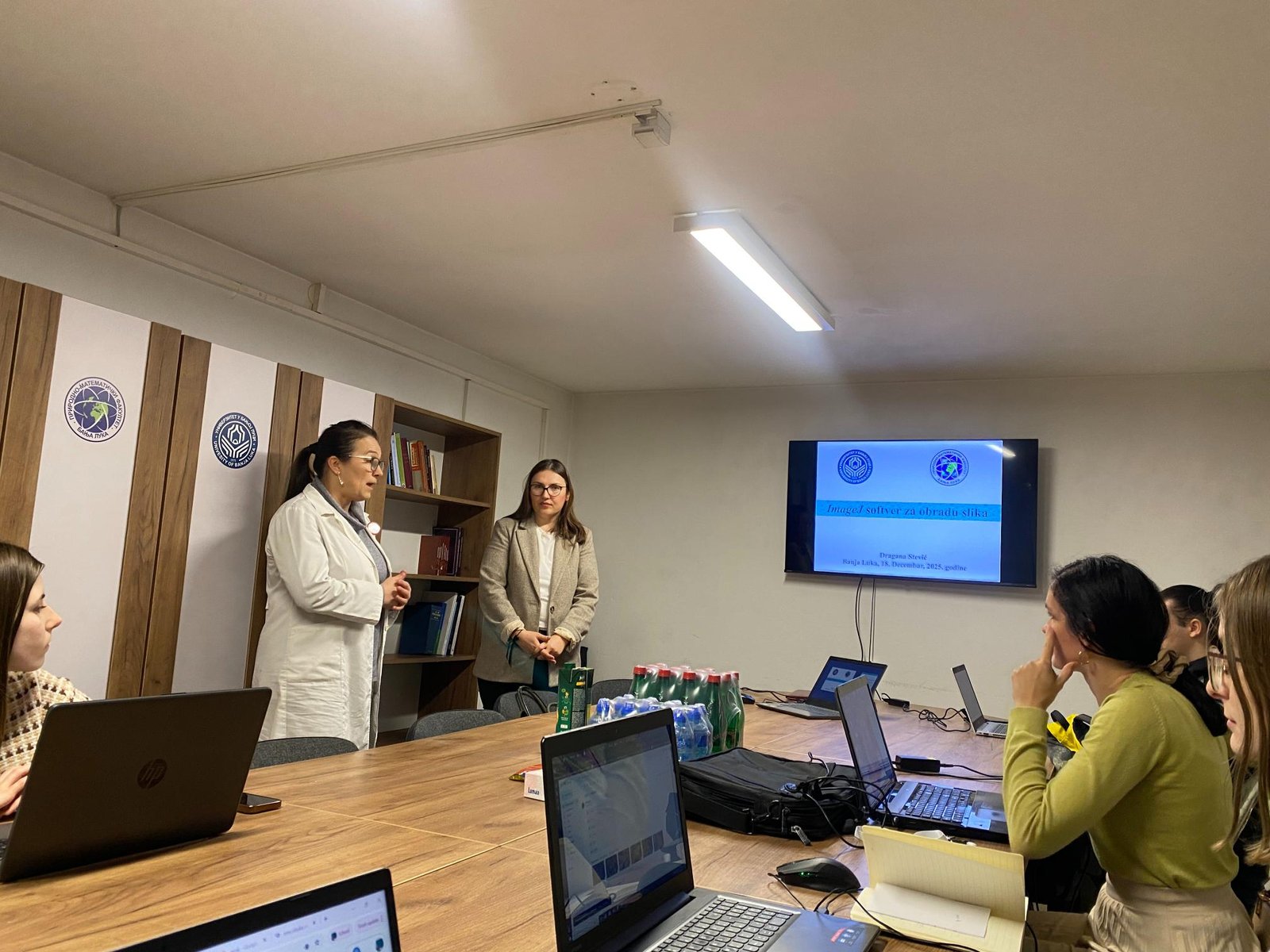
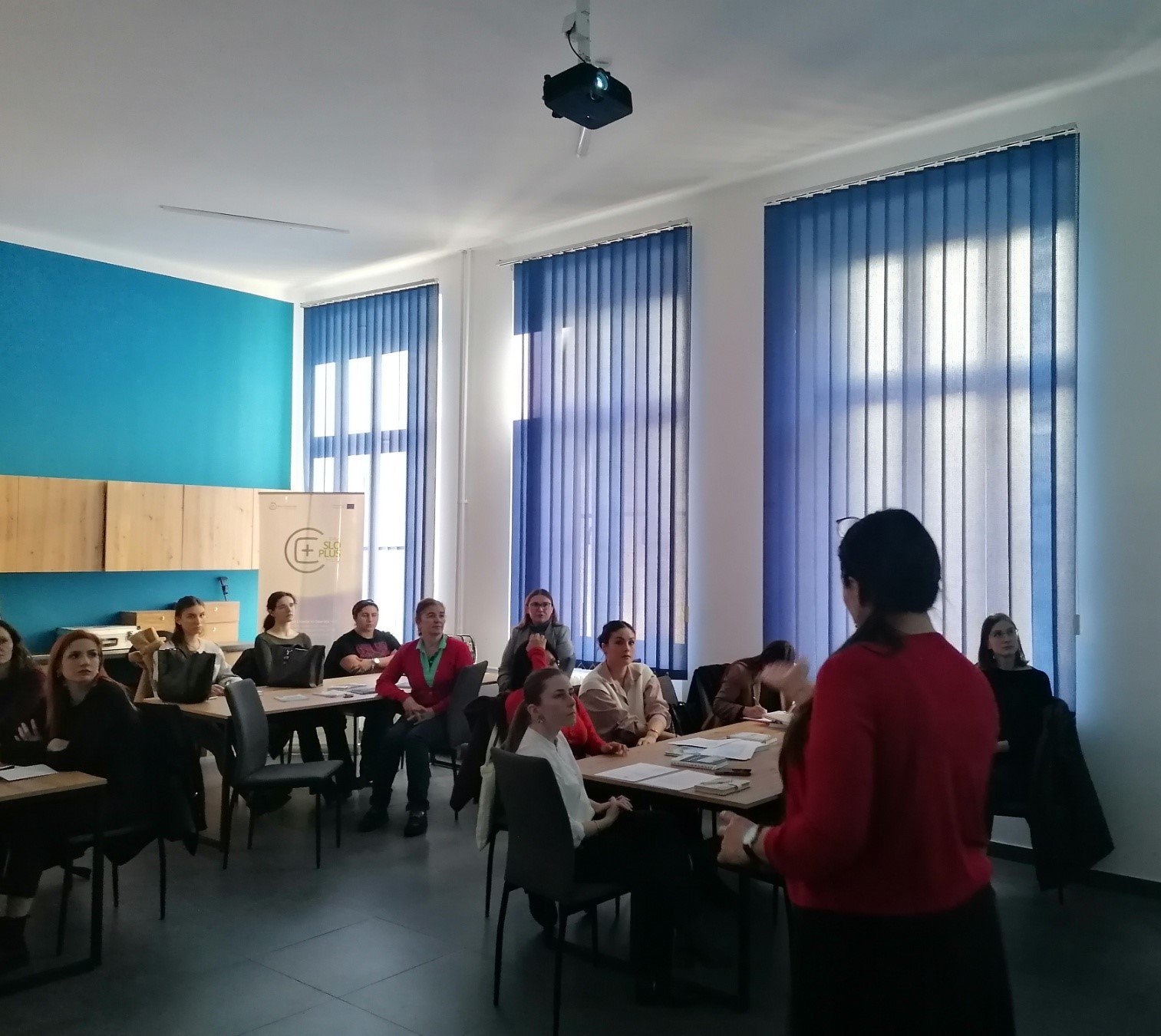
The BP Institute has previously supported the implementation of research within master’s and bachelor’s theses at UNIBL, particularly on topics related to geopolymers. As a continuation of this cooperation, the Director of the BP Institute, MSc in Chemical Technology Dragana Stević, delivered a workshop to support our RM-SLO-PLUS Hub project. She presented several modern, software-based techniques for data processing in the field of materials analysis. The focus of the workshop was on the ImageJ software, which provides highly reliable data on particle size distribution in micro- and nanomaterials, both in construction engineering and in other technological fields. The workshop was attended by master students and a few graduated students of UNIBL, already employed in the material industry. 

RM SLO project, recognises the need for expanding the knowledge of young people as an important path for strengthening industrial knowledge base for future European material chain sustainability. The best way for this is exactly through the collaboration with established material industry experts.

2
2
1 (2)
1 (2)

LUT University and RM-SLO-PLUS-HUB: Driving Social License to Operate

LUT University and RM-SLO-PLUS-HUB: Driving Social License to Operate

  • By mitja@pmfbl.org
  • January 19, 2026January 19, 2026
  • News

Collaboration in the RM-SLO-PLUS-HUB project means bringing together expertise, shared values, and a common understanding of what sustainable transitions truly require.

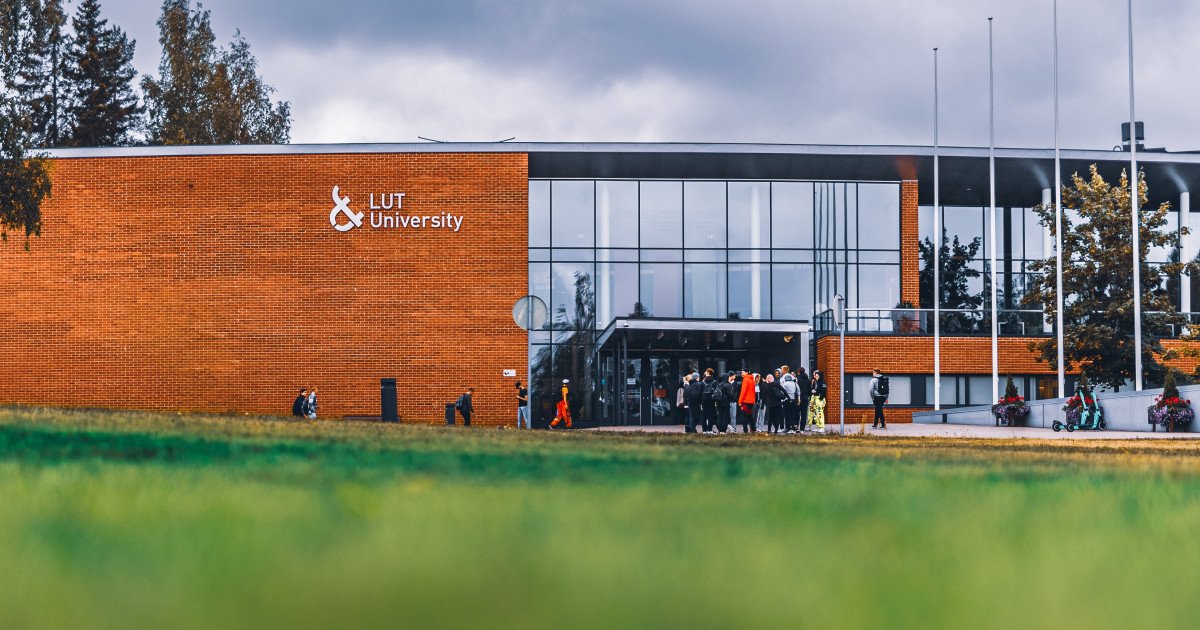
We are proud to collaborate with LUT University (Lappeenranta–Lahti University of Technology), a Finnish public science university tackling global challenges through technology, business, and social sciences.

The Sustainability Change Research Group at LUT is one of Finland’s leading centres for sustainability science. Combining engineering, natural sciences, and social sciences, the team studies how technologies, business practices, policies, and human behaviour interact, providing evidence-based insights into what drives — or hinders — sustainable development. They have contributed to numerous EU and national projects, including SCI-MAT, GREENRENEW, FENIX, RELiEF, REINFORCE, and PATTERN, bringing extensive experience in sustainability transitions and circular economy.

Within the project, the LUT team contributes to developing a proof of concept for scalable training courses and consulting services related to Social License to Operate (SLO) in the raw materials sector, focusing on stakeholder engagement, trust-building and shared value creation.

The work is guided by Associate Professor Jarkko Levänen and Postdoctoral Researcher Laura Kainiemi, whose expertise ensures that the SLO training is both scientifically rigorous and relevant to real-world challenges.

Through this collaboration, we are shaping approaches to SLO that are scalable, socially grounded, and designed to make a lasting impact beyond the project itself.

RM SLO PLUS Hub Focus Group on Social License to Operate (SLO) for Raw Materials

RM SLO PLUS Hub Focus Group on Social License to Operate (SLO) for Raw Materials

  • By mitja@pmfbl.org
  • January 14, 2026January 14, 2026
  • News

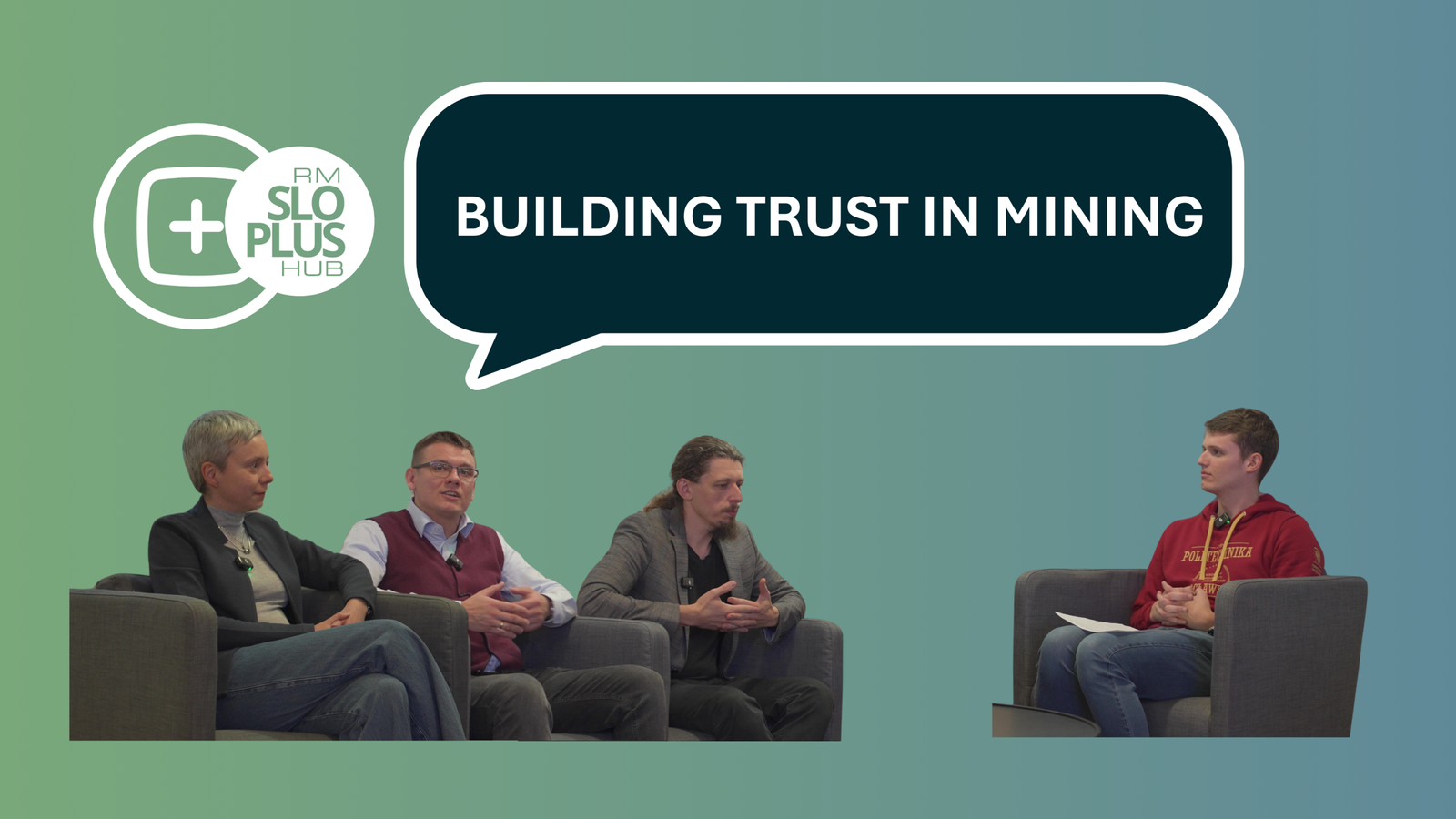
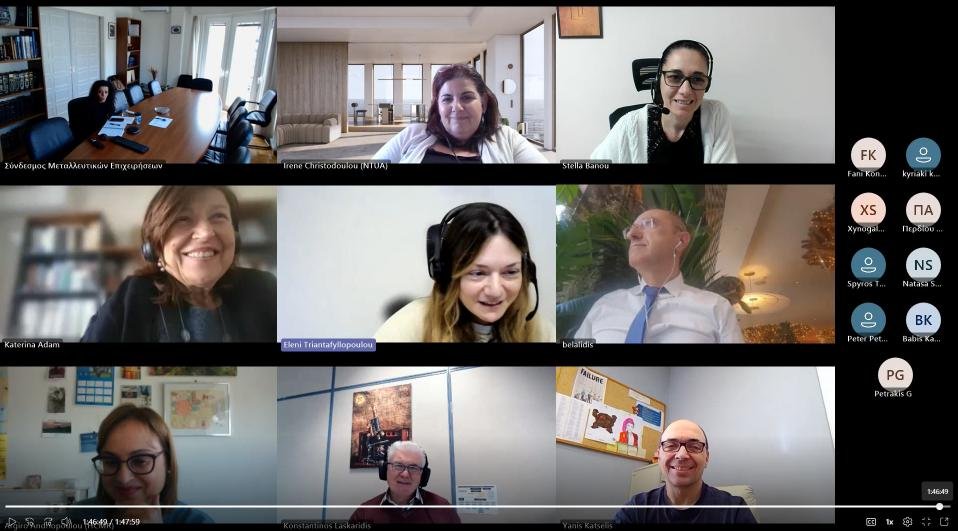
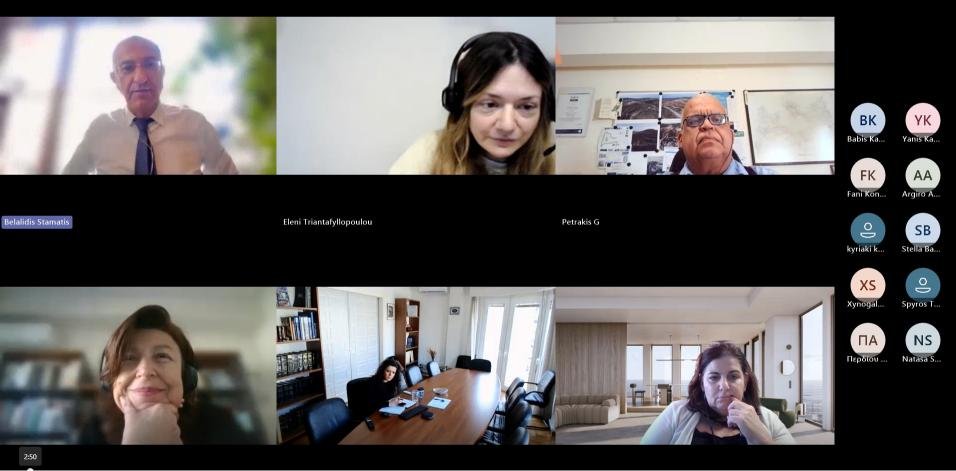
As part of the RM SLO PLUS Hub activities, project partners NTUA (National Technical University of Athens) and PASECO organized an online focus group aimed at supporting the proactive management of Social License to Operate (SLO) in the raw materials sector.

The session brought together a diverse group of stakeholders, including industry representatives, institutional and regulatory authorities, scientific and research organizations, as well as technical and ESG consultants.

Participants addressed key challenges related to building social trust in Greece, particularly in contexts affected by past environmental failures and a legacy of insufficient consultation practices. The discussion emphasized the need for methodological improvements in both regulatory frameworks and public consultation processes.

Several strategic directions were identified, including the importance of proactive and transparent engagement, the implementation of high-standard environmental practices and restoration measures, and the establishment of clear spatial planning mechanisms to reduce land-use conflicts. Participants also highlighted the role of transparent environmental monitoring systems, involving independent third-party bodies, as a means to validate data and rebuild trust.

A central conclusion of the focus group was the need to redefine relationships with local communities, recognizing them as essential partners rather than passive recipients of technical information. In addition, participants assessed local and regional educational and consultancy needs to support long-term capacity building for effective SLO management.

Meet Our Project Partners: MUL – Montanuniversität Leoben

Meet Our Project Partners: MUL – Montanuniversität Leoben

  • By mitja@pmfbl.org
  • January 5, 2026January 5, 2026
  • News

Our partner, Montanuniversität Leoben (MUL), is a specialised technical university in Austria with a long-standing focus on raw materials, mining, metallurgy, and related fields. It was founded in 1840 and has since developed into one of the key academic institutions dedicated to education and research across the raw materials value chain. MUL structures its activities around five guiding principles: energy efficiency, climate neutrality, sustainability, zero waste and circular design, which are reflected in both its curricula and research agenda.

The University has extensive experience in European research and education initiatives and has participated in a wide range of EU-funded projects addressing technical, environmental, and social dimensions of raw materials production. Among these projects are MIREU, SUMEX, S34I, EnactSDGs and RM@Schools-ESEE, with a particular emphasis on sustainable mining practices, skills development, and stakeholder engagement. Through these projects, MUL has contributed to advancing interdisciplinary approaches that link engineering solutions with societal expectations and policy frameworks.

In addition to its project involvement, MUL plays an active role in developing and implementing innovative education formats. The University coordinates the EIT RawMaterials-funded PhD education project PRO-SLO, which focuses on strengthening professional competencies related to Social Licence to Operate (SLO).

Within the RM-SLO-PLUS-HUB project, Montanuniversität Leoben is responsible for Work Package 3 (Development and Delivery of Services). In this role, MUL contributes to the design and implementation of training and support services aimed at improving understanding of social aspects in raw materials operations.

Our project at MUL is represented by three dedicated members who combine expertise in education, industry, and sustainable mining. Mariaelena Murphy is the education portfolio manager and researcher at the Resources Innovation Center at MUL. She coordinates education initiatives and international projects, including PRO-SLO project, developing trans-disciplinary approaches that connect research, education, and societal challenges. Hanno Bertignoll manages and supports project activities as the link between Leoben, university institutes, and project partners, contributing practical insights from his background in mining engineering and industry experience. Michael Tost, Professor for Sustainable Mining Technology at MUL, brings his expertise in sustainable mining and environmental management, guiding the project’s research and training efforts to integrate responsible and practical approaches within raw materials sector.

Workshop in Madrid Highlights the Importance of Social Licence to Operate

Workshop in Madrid Highlights the Importance of Social Licence to Operate

  • By mitja@pmfbl.org
  • December 26, 2025December 26, 2025
  • News

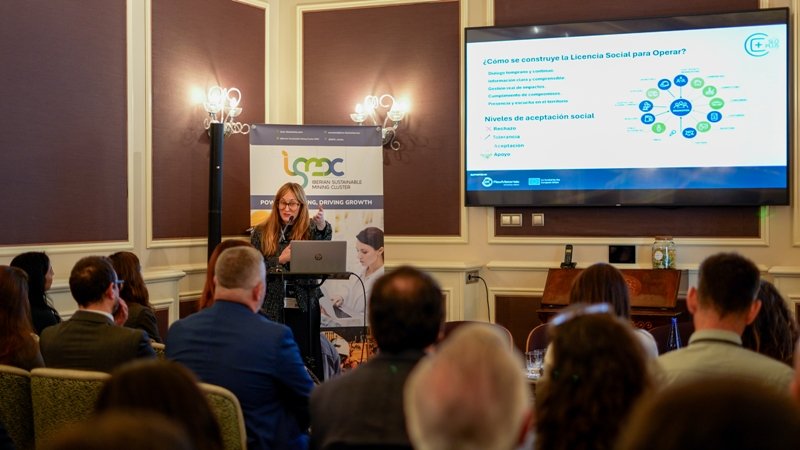
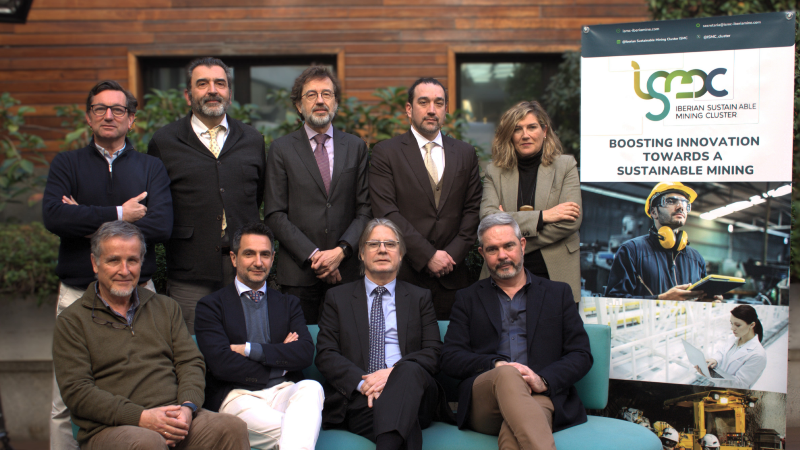
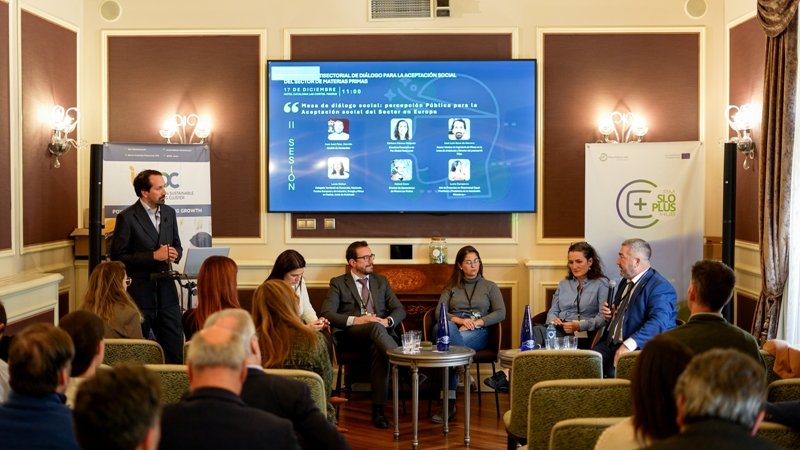
On 17 December in Madrid or partner the Iberian Sustainable Mining Cluster (ISMC), organized a stakeholder workshop brought together representatives from industry, public authorities, academia, civil society, and international organisations to explore the role of social acceptance in the delivery of raw materials projects. The event provided a structured platform to discuss how the Social Licence to Operate (SLO) can be effectively integrated into EU raw materials strategies.

Participants agreed that social acceptance is no longer a secondary concern or purely reputational issue. In today’s context of heightened societal scrutiny, environmental awareness, and governance expectations, SLO has become a necessary condition for project feasibility, alongside technical, legal, and financial requirements. They concluded that legitimacy is shaped locally, influenced by institutional credibility, historical context, and perceived fairness.

The first part of the workshop focused on connecting social acceptance to broader EU objectives, including supply security and international cooperation. While EU policies aim to accelerate strategic projects and strengthen partnerships, the discussions emphasised that successful implementation depends on alignment between policy ambition, governance capacity, and public trust. Without this alignment, permitting processes, investment decisions, and project timelines face increased risk.

The second part explored the territorial, social, and digital dimensions of legitimacy. Participants highlighted that technical feasibility and legal compliance alone are not enough because communities evaluate projects based on lived experience, historical memory, and fairness. SLO is strongest when embedded from the earliest stages in governance, stakeholder engagement, and communication. The workshop also underscored the growing role of digital platforms in shaping public perception, making clear and consistent communication more important than ever.

Overall, the workshop demonstrated that legitimacy is a strategic advantage. Organisations that integrate social acceptance into project planning, governance, and communication are better positioned to deliver resilient and sustainable raw materials projects. The RM-SLO-PLUS-HUB provides practical tools to support this approach, turning dialogue, trust, and engagement into concrete enablers of sustainability and supply security.

Focus Groups in Banja Luka: Sustainable Industrial Operations, Urban Mobility and SLO

Focus Groups in Banja Luka: Sustainable Industrial Operations, Urban Mobility and SLO

  • By mitja@pmfbl.org
  • December 20, 2025December 20, 2025
  • News

Focus groups are one of very important deliverables of RM-SLO-PLUS-HUB project, and they will be held at all partners premises. Let us display how our partner, University of Banja Luka organized their two focus groups to discuss sustainable industrial operations. The discussions brought together students and experts from various disciplines in both industry and academia.

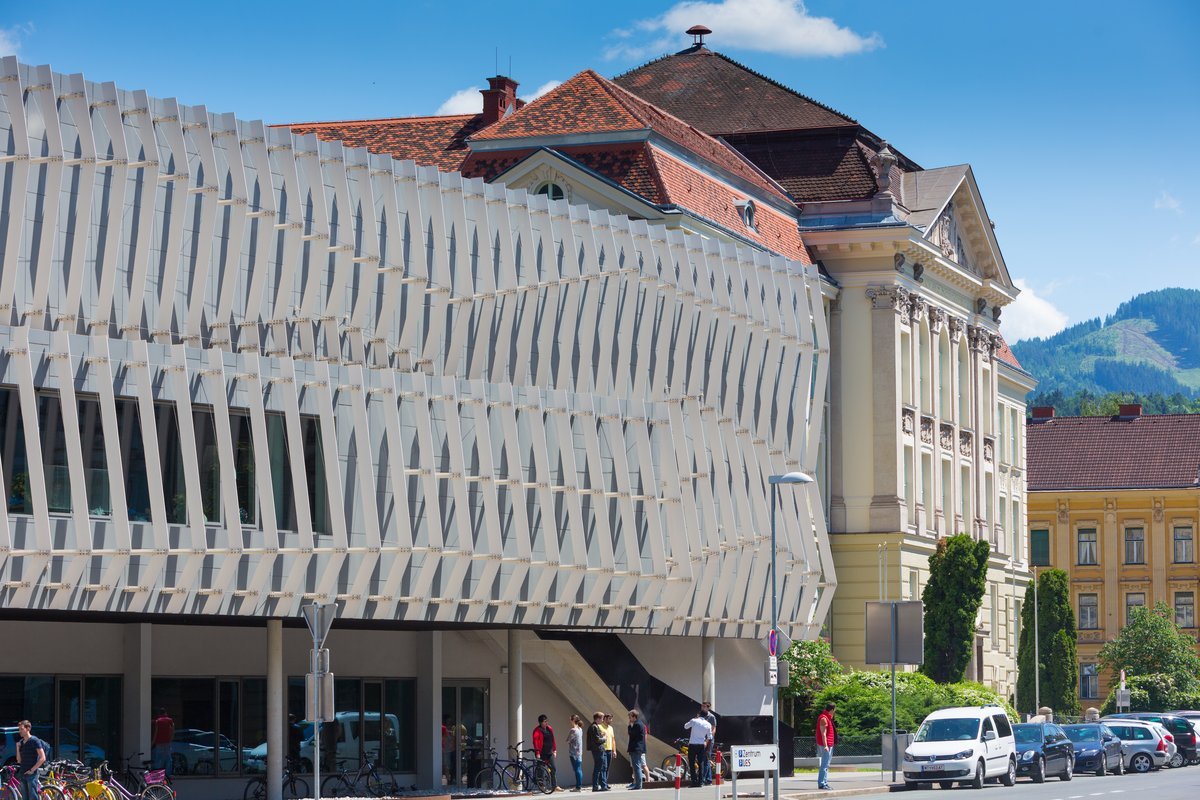
Within the Focus group on Sustainable Industrial Operations in Urban Areas, participants discussed on how industrial activities could be managed sustainably within urban environments, while upholding a strong Social Licence to Operate (SLO). This topic is of particular interest for the citizens of the city of Banja Luka, which was always one of the leading industrial centres in Bosnia and Herzegovina. However, in the last three decades, it has undergone intense urbanization, becoming one of the major administrative centres. Consequently, densely populated neighbourhoods have surrounded several long-standing industrial facilities that once stood on the periphery. Drawing on examples from cities such as Vienna and Copenhagen, participants proposed introducing more green and public spaces, to improve the visual appearance of industrial areas, and developing educational or cultural elements that highlight the city’s industrial heritage.

The Focus Group on Citizens’ Perception and Social Permission (SLO) for the Implementation of Smart Traffic highlighted another important struggle for Banja Luka’s citizens – insufficiently developed urban transport network. During the focus group session, participants were presented with examples of best practices from Europe, such as Malmö and Gothenburg, where citizens use bicycles as their primary mode of transportation. On the other hand, the citizens of Banja Luka, do not have walking and cycling as part of their lifestyle, mainly due to lack of cycling lanes, as well as a general lack of awareness.

Overall, the focus group highlighted a shared belief that industry and urban life can coexist successfully when guided by sustainable practices, modern environmental standards, and ongoing engagement with the public.


European Survey on Public Perception of Mining and Social License to Operate (SLO)

European Survey on Public Perception of Mining and Social License to Operate (SLO)

  • By mitja@pmfbl.org
  • November 28, 2025December 1, 2025
  • News
The RM SLO PLUS Hub project has launched a new European survey on public perception of mining activities and the key factors that influence the development and maintenance of the Social License to Operate (SLO) in the raw materials sector.
The aim of this survey is to gather insights on how mining is perceived across EU countries and to identify the elements that contribute to building and sustaining a strong SLO.
The survey is open to all stakeholders in the raw materials sector, including representatives from industry, public administration, academia, NGOs, and local communities.
LINK TO THE SURVEY HERE 

Participation is completely anonymous, and all collected data will be used exclusively for scientific and analytical purposes within the project.

Workshop at the Awida Centre “Leśna Woda” in Błota

Workshop at the Awida Centre “Leśna Woda” in Błota

  • By mitja@pmfbl.org
  • November 28, 2025December 1, 2025
  • News
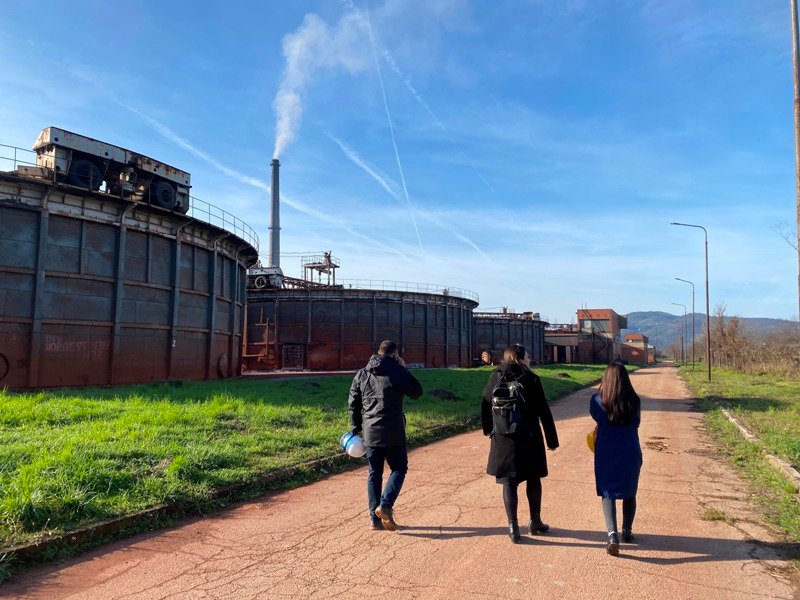
On 8-9 October 2025, the workshop titled “Social Licence to Operate-RM-SLO-PLUS-HUB” was held at the Awida Centre “Lesna Woda” in Blota. The event was organized by our partners, the Mineral and Energy Economy Research Institute of the Polish Academy of Sciences (MEERI PAS) in Krakow and Awida – Sand Mine Bystrzyca.

The workshop brought together representatives of academic institutions, local governments, businesses, non-governmental organizations, and business-support institutions. The aim of the meeting was to discuss the hashtag#challenges and best practices related to Social Licence to Operate (SLO) and to present the objectives of the RM-SLO-PLUS-HUB project, which focuses on developing tools to strengthen dialogue between the extractive industry and local communities.

Following the presentations, participants engaged in roundtable discussions, sharing experiences on communication with local communities, the role of environmental education, and responsible industrial planning. The non-governmental organization Polish Association for the Valuation of Mineral Deposits (https://polval.org.pl/) was an active partner of the event, contributing to both organizational and discussion activities.

The event was co-financed in part by VALORWASTE project which was presented during poster session and discussed throughout the workshop.

10th Edition of the Greek Raw Materials Community Dialogue in Athens

10th Edition of the Greek Raw Materials Community Dialogue in Athens

  • By mitja@pmfbl.org
  • November 26, 2025December 1, 2025
  • News

On November 6, 2025, the RM SLO Plus Hub project participated in the 10th edition of the Greek Raw Materials Community Dialogue in Athens, Greece. The high-profile event , supported by EIT RawMaterials, brought together an influential group of policymakers, industry leaders, researchers, academics and representatives from RTOs and civil society. All attendees share a commitment to building a sustainable and competitive raw materials ecosystem in Greece and internationally.

RM SLO Plus Hub contributed to the event with a dedicated project poster, while the initiative was also briefly showcased during Session 3 – Shaping the Raw Materials Future Together: Workforce Transformation and Public Acceptance, moderated by Prof. Em. Katerina Adam.

Participation in this event offered a valuable occasion for the project team to engage directly with key stakeholders, spark meaningful discussions and attract interest from organizations active in the raw materials sector. These interactions laid a strong foundation for future partnerships, knowledge exchange and broader project visibility within the Greek and international raw materials community.

SLO in Poland: Mining Revolution or National Gamble

SLO in Poland: Mining Revolution or National Gamble

  • By mitja@pmfbl.org
  • November 17, 2025November 17, 2025
  • News

This time our SLO story comes from Poland, more precisely from the small city of Myszków. Namely, in the 1960s, molybdenum and tungstAen ore deposits were discovered and at the same time became a hope for potential economic growth of this city and the entire region. In particular, this topic was relevant at the beginning of the 21st century, when, in 2009, the Australian company Strzelecki Metals Limited conducted research and confirmed the composition of the ore and estimated the value of the deposit. However, the mine construction project was not realized due to concerns that excessive commercial and industrial growth without providing adequate space for the mining facility, would hinder its future development.

After 16 years, in 2025, Myszków is facing the same issue, but this time the initiative is taken by a local joint-stock company with 90% Polish and 10% American capital, confident that it has the skills and tools to conduct new, comprehensive research at the previously mentioned site. Altum Group, with 51% of the shares in this company, has many years of infrastructure and energetics projects behind it, and also has experience in managing projects of strategic importance. This is particularly important considering the tungsten as a critical raw material (CRM) according to the European Commission (Critical Raw Materials act). Thus, both metals are indispensable and irreplaceable components in the metallurgy and electronics industry due to their physical properties such as high melting points, strength and density.

In addition to the reported potential for the economic and industrial progress of Poland and the entire European Union, the question arises whether the research will achieve a Social License to Operate or will it encounter insurmountable obstacles. Although the story of the opening of the mine is still a long way off, there is concern as to whether the project will be implemented in accordance with the highest economic standards and modern mining technologies.

We are sure Poland will find the best balance when weighing the readiness of the investors to respect environmental protection standards and the potential great role of these deposits in European sustainability in critical raw material chains.

Posts pagination

1 2

Recent Posts

  • Why Quality Control Matters in RM: Insights from Industry Experts
  • LUT University and RM-SLO-PLUS-HUB: Driving Social License to Operate
  • RM SLO PLUS Hub Focus Group on Social License to Operate (SLO) for Raw Materials
  • Meet Our Project Partners: MUL – Montanuniversität Leoben
  • Workshop in Madrid Highlights the Importance of Social Licence to Operate

Privacy policy

The RM-SLO-PLUS-HUB: SLO Hub for the RM Sector (Project No. 24499) has received funding from the European Institute of Innovation and Technology (EIT), a body of the European Union, under the Horizon Europe Programme. More...

Contact

  • School of Mining and Metallurgical Engineering, National Technical University of Athens,Zografou 157 72, Greece
  • +30 21 0772 2067
  • katadam@metal.ntua.gr
  • slohub@pmf.unibl.org

Powered by
...
►
Necessary cookies enable essential site features like secure log-ins and consent preference adjustments. They do not store personal data.
None
►
Functional cookies support features like content sharing on social media, collecting feedback, and enabling third-party tools.
None
►
Analytical cookies track visitor interactions, providing insights on metrics like visitor count, bounce rate, and traffic sources.
None
►
Advertisement cookies deliver personalized ads based on your previous visits and analyze the effectiveness of ad campaigns.
None
►
Unclassified cookies are cookies that we are in the process of classifying, together with the providers of individual cookies.
None
Powered by