Author: mitja@pmfbl.org
Aluminosilicates: Shaping Technology, Industry and Daily Life
Industry and science often remain invisible behind the everyday objects we use, many of which are made from minerals that rarely receive attention. However, they play a crucial role in modern technology and industry.
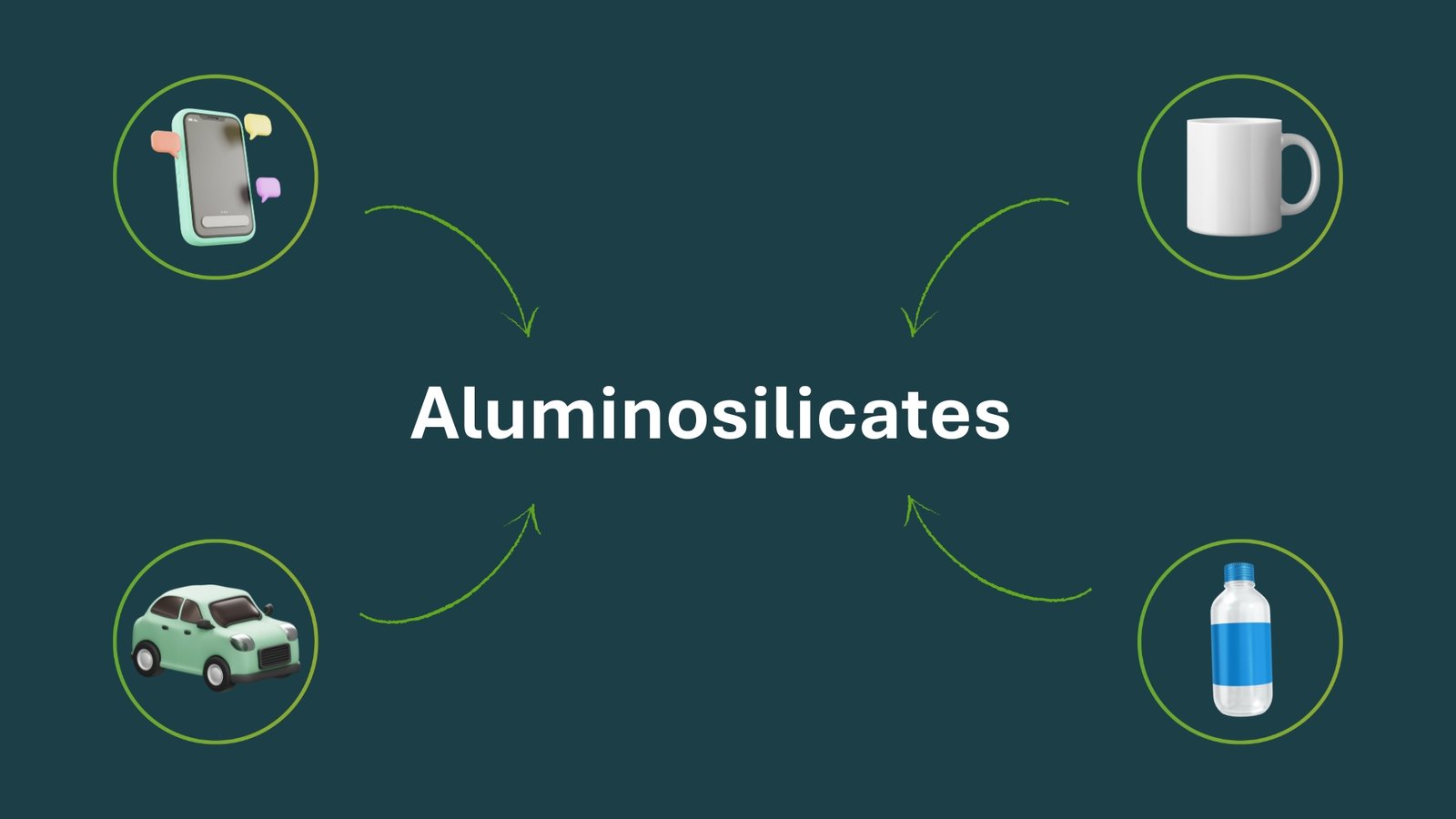
Minerals such as feldspar, kaolin, bentonite and zeolites are important examples of aluminosilicate materials widely used across different industries. Feldspar is a key raw material in glass production and is also used as an additive in aluminosilicate glass for smartphone screens, helping improve their strength and durability. Kaolin is essential in the production of ceramics and porcelain, where it mainly provides the whiteness, strength and heat resistance. Due to its strong adsorption and swelling properties, bentonite plays an important role in fuel processing to remove impurities and stabilize the product. Meanwhile, zeolites are valued for their porous structure, which allows them to capture and remove unwanted substances during water filtration.
The world’s largest aluminosilicates deposits are located in the United States, China, Russia, Guinea, Brazil, India and Australia. Significant reserves of various types of aluminosilicates can also be found across many European countries. However, their extraction currently takes place on a relatively small scale, leaving Europe dependant on import from other continents. This is a striking paradox, taking into account that Europe drives nearly one quarter of total global demand for aluminosilicates. Therefore, the activation and strengthening of the continent’s mining activities should be considered as priority and a matter of concern for key policymakers in this sector, while ensuring a clear Social Licence to Operate. Expansion of use of local resources must go hand in hand with strong environmental standards, while also respecting and engaging local communities, which is the aim of the RM SLO PLUS HUB project.
Advancing Circular Solutions: The RM-SLO-PLUS-HUB Project at Nova Alumina
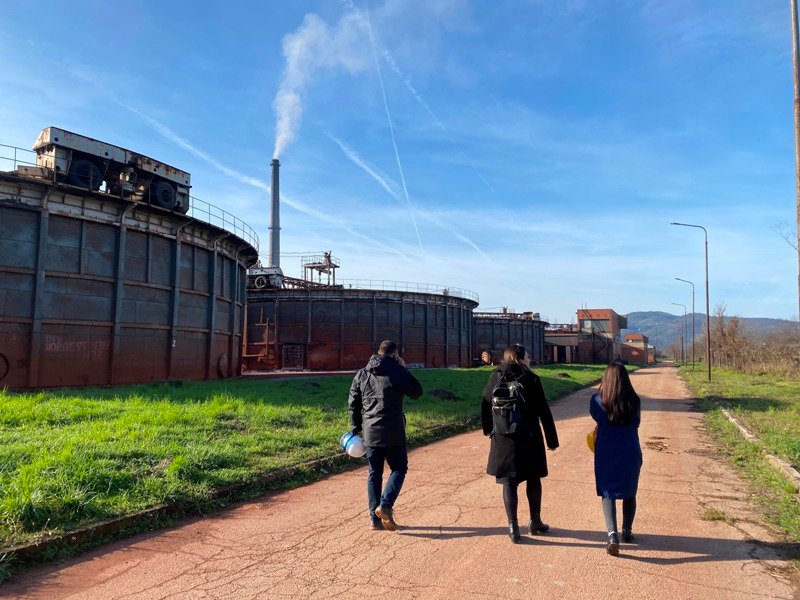
In the path toward sustainable development and the advancement of industrial processes, collaboration between academia and industry has become a key driver of innovation. In this context, at the end of last year, representatives of the University of Banja Luka (UNIBL) organized a visit to Nova Alumina Ltd. factory in Bosnia and Herzegovina in the frame of the RM-SLO-PLUS-HUB project.
Founded in 1978, Nova Alumina is one of the most important and largest industrial complexes in the Balkan region. While the factory initially focused on the production of alumina and pure aluminum, over the past decade it has expanded exponentially into the field of aluminosilicate chemistry, producing various types of aluminum hydrates, finely precipitated hydrates, more than ten types of zeolites, silica gel, and liquid water glass. Notably, Nova Alumina is the only modern factory in Europe producing soft aluminum, which positions it as a significant international manufacturer of aluminosilicate products on both the European and global markets.
In 2020, the University of Banja Luka established collaboration with Nova Alumina through the RIS RESTORE project, funded by the EIT RawMaterials initiative. The aim of the project was on valorization of solid waste generated during bauxite processing — red mud. This valorization is crucial because the factory has been continuously producing and storing large quantities of this material since its establishment. Within the project framework, Sunčica Sukur, a chemistry student at UNIBL, managed to successfully extract iron oxides from the red mud, resulting in a national patent.
Given that the red mud contains other valuable compounds, the collaboration between the University and the factory continues under the RM-SLO-PLUS-HUB project. Therefore, the recent factory visit was organized to hold a meeting with process engineers to discuss operational management and gather insights for ongoing research. During the visit, samples were also collected for further research on the material valorization, which will be carried out by UNIBL master’s student Nikolina Landeka, as part of her thesis. Such collaborations not only strengthen the bridge between academic knowledge and industrial practice but also pave the way for innovative solutions that transform industrial by-products into valuable resources.
By combining scientific expertise with practical industrial experience, projects like RM-SLO-PLUS-HUB demonstrate how sustainable development can be achieved through strategic partnerships, turning challenges into opportunities for innovation and growth.
This field trip also included the visit to “Solana”, a factory with over 40 years of history, which is correlated to the successful salt mine in the City of Tuzla. With history of mining of over 3000 years, and the halite (NaCl) deposits potentially over 50 M tones, Tuzla might play a major role in future European sodium ion battery chain. This was the subject of discussion with the leadership and research experts. The base for further collaboration is established and services of the RM SLO Hub were offered to support the R&D of this important industry.
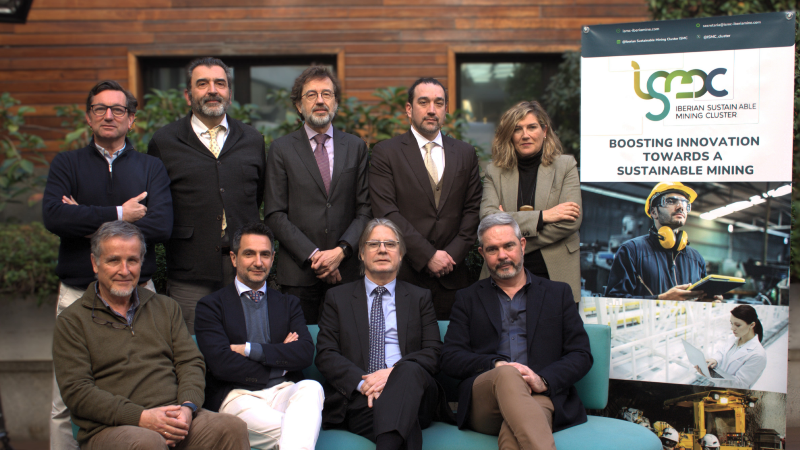
ISMC: A Strategic Partner Advancing Social Licence to Operate in Europe
ISMC is a national cross-sectoral ecosystem that brings together companies, regional stakeholders, research centres and public authorities across Spain. With strong roots in key mining regions, the cluster integrates the full raw materials value chain while fostering cooperation between industry, policy and society.
The mission of ISMC is to promote a sustainable and competitive mining model aligned with European priorities. Central to this mission is the integration of the social dimension from the earliest stages of project development. Through structured dialogue, territorial engagement and multi-stakeholder collaboration, ISMC supports responsible raw materials projects that are both industrially robust and socially embedded.
Within the RM SLO PLUS Hub, ISMC contributes its ecosystem-based approach to embedding Social Licence to Operate across the value chain. Drawing on practical experience from Spanish regions, the cluster translates territorial knowledge into scalable frameworks and European-level cooperation.
At a time when Europe seeks greater autonomy in critical raw materials, Social Licence to Operate stands out as a new strategic mineral. Not extracted from the ground, but built through transparency, dialogue and shared value, it is essential to ensuring both supply security and social cohesion.
Through its mission, territorial strength and European engagement, ISMC reinforces this paradigm and acts as a key partner in advancing sustainable raw materials development.
Voices from Poland: Experiences and Perspectives shaping SLO
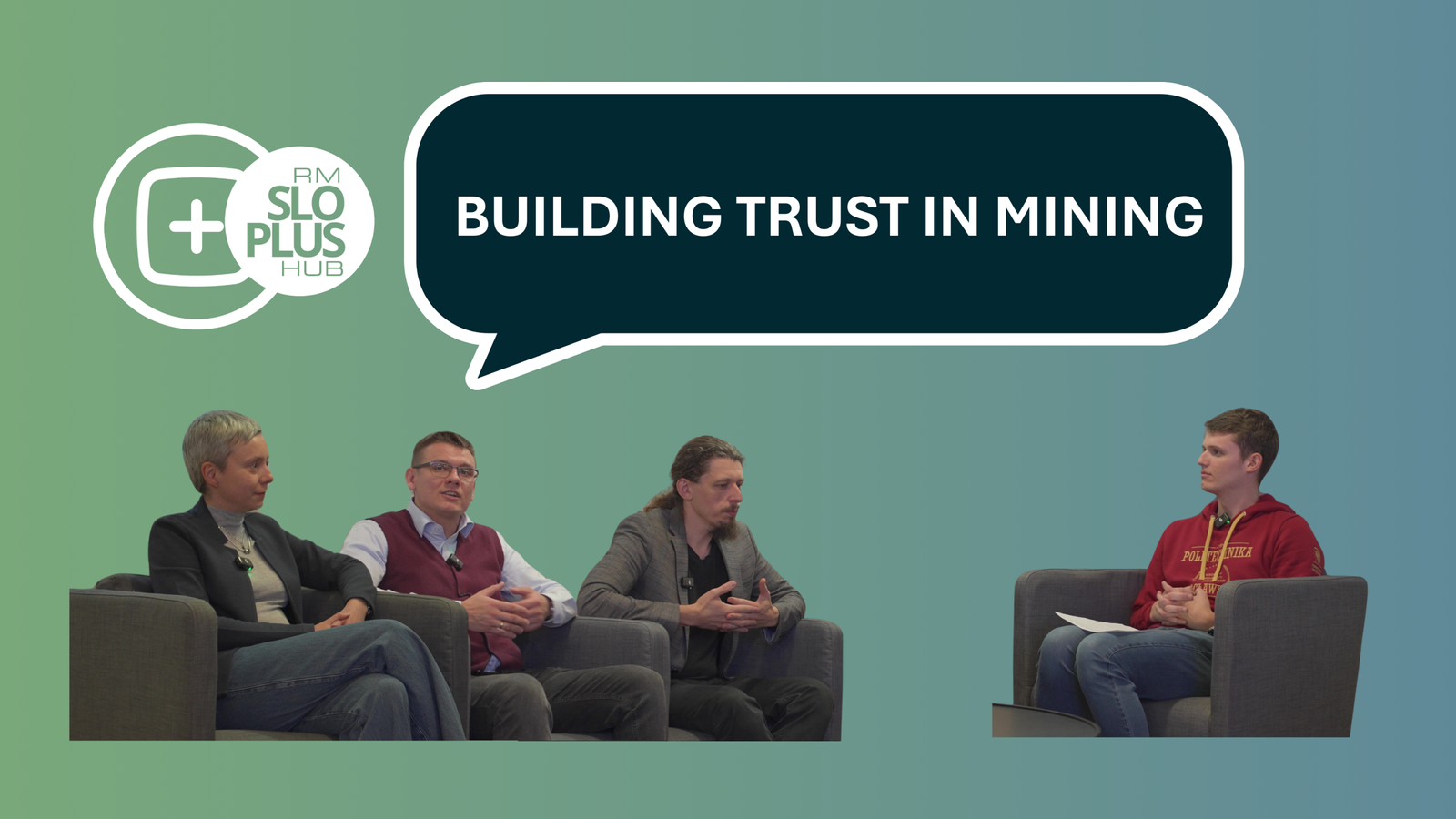
We spoke with three experts from Poland to explore how mining enterprises can work in harmony with local communities, highlighting the importance of education, dialogue, and transparency.
Their insights show that building trust relies on three pillars: institutional cooperation, community engagement, and transparent communication—a framework for successful mine-community relations.
Strengthening Cooperation Through Institutions
Universities, research institutes, and local governments play a key role in building trust and facilitating engagement. Universities provide knowledge and raise awareness, while local governments oversee planning and participation processes. NGOs and industry associations help bridge communication gaps and bring issues closer to residents.
“We often overlook municipal bodies, but they are the organizational units closest to communities—the ones that truly organize our living space.” — Property Valuation Expert
Education and Dialogue as the Foundation
Successful engagement starts with education. Explaining mining processes, risks, and safety dispels myths and builds understanding. Transparent communication—sharing non-sensitive plans and strategies—helps residents know what to expect and trust mining activities. Consultations, surveys, and meetings are effective only once the community is well-informed.
Example from practice:
In regions like the Legnica–Głogów Copper District, KGHM Polska Miedź S.A. is not only a major employer but also a driver of regional development. The company supports education, finances infrastructure and community projects, and offers diverse employment opportunities—from geology and engineering to HR, legal, and public relations.
“Only when society is educated can meaningful dialogue take place.” — Mining Industry Expert
Practical Actions for the Near Future
In the short term, focus on information campaigns, tailored communication, and transparent planning. Projects should consider mine type, social expectations, and environmental impacts. Sharing operational and reclamation plans—even simplified or anonymized—helps communities anticipate changes and cooperate effectively.
“Information and communication are key. Transparency and proactive engagement build trust.” — Property Valuation Expert
Conclusion
By combining education, transparency, and strategic communication, mining enterprises and local communities can cultivate trust and sustainable development. The SLO+ Hub project strengthens these connections, ensuring mutual benefits and long-term collaboration.
“Collaboration is not just about operations, but about understanding, education, and mutual respect.” — Project Expert
You can watch the full interview on our YouTube channel.
Why Quality Control Matters in RM: Insights from Industry Experts
Our project partners, University of Banja Luka (UNIBL), have established a memorandum of understanding with the BP Institute, a leading institution in Bosnia and Herzegovina in the field of quality control of construction materials. This cooperation is of particular importance given that the topic of construction materials is closely integrated into the curricula of several study programmes at this University.
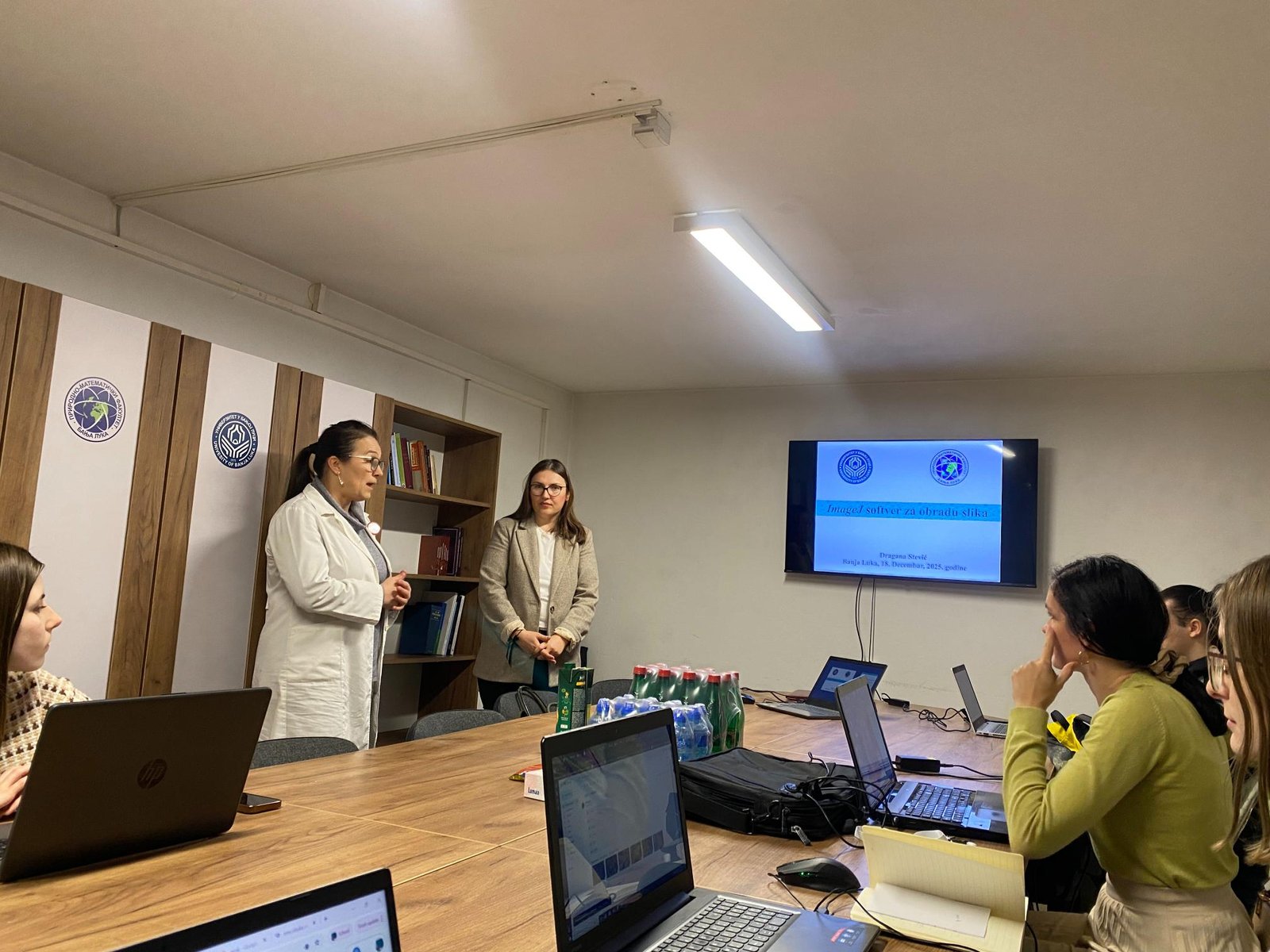
The BP Institute has previously supported the implementation of research within master’s and bachelor’s theses at UNIBL, particularly on topics related to geopolymers. As a continuation of this cooperation, the Director of the BP Institute, MSc in Chemical Technology Dragana Stević, delivered a workshop to support our RM-SLO-PLUS Hub project. She presented several modern, software-based techniques for data processing in the field of materials analysis. The focus of the workshop was on the ImageJ software, which provides highly reliable data on particle size distribution in micro- and nanomaterials, both in construction engineering and in other technological fields. The workshop was attended by master students and a few graduated students of UNIBL, already employed in the material industry.
RM SLO project, recognises the need for expanding the knowledge of young people as an important path for strengthening industrial knowledge base for future European material chain sustainability. The best way for this is exactly through the collaboration with established material industry experts.
LUT University and RM-SLO-PLUS-HUB: Driving Social License to Operate
Collaboration in the RM-SLO-PLUS-HUB project means bringing together expertise, shared values, and a common understanding of what sustainable transitions truly require.
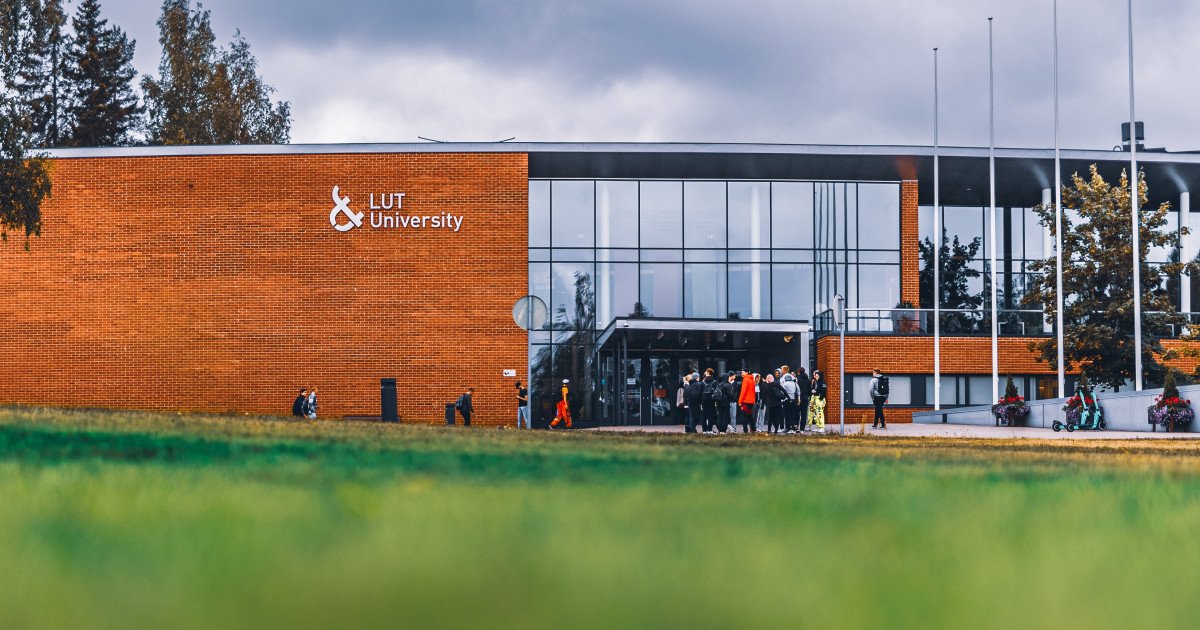
We are proud to collaborate with LUT University (Lappeenranta–Lahti University of Technology), a Finnish public science university tackling global challenges through technology, business, and social sciences.
The Sustainability Change Research Group at LUT is one of Finland’s leading centres for sustainability science. Combining engineering, natural sciences, and social sciences, the team studies how technologies, business practices, policies, and human behaviour interact, providing evidence-based insights into what drives — or hinders — sustainable development. They have contributed to numerous EU and national projects, including SCI-MAT, GREENRENEW, FENIX, RELiEF, REINFORCE, and PATTERN, bringing extensive experience in sustainability transitions and circular economy.
Within the project, the LUT team contributes to developing a proof of concept for scalable training courses and consulting services related to Social License to Operate (SLO) in the raw materials sector, focusing on stakeholder engagement, trust-building and shared value creation.
The work is guided by Associate Professor Jarkko Levänen and Postdoctoral Researcher Laura Kainiemi, whose expertise ensures that the SLO training is both scientifically rigorous and relevant to real-world challenges.
Through this collaboration, we are shaping approaches to SLO that are scalable, socially grounded, and designed to make a lasting impact beyond the project itself.
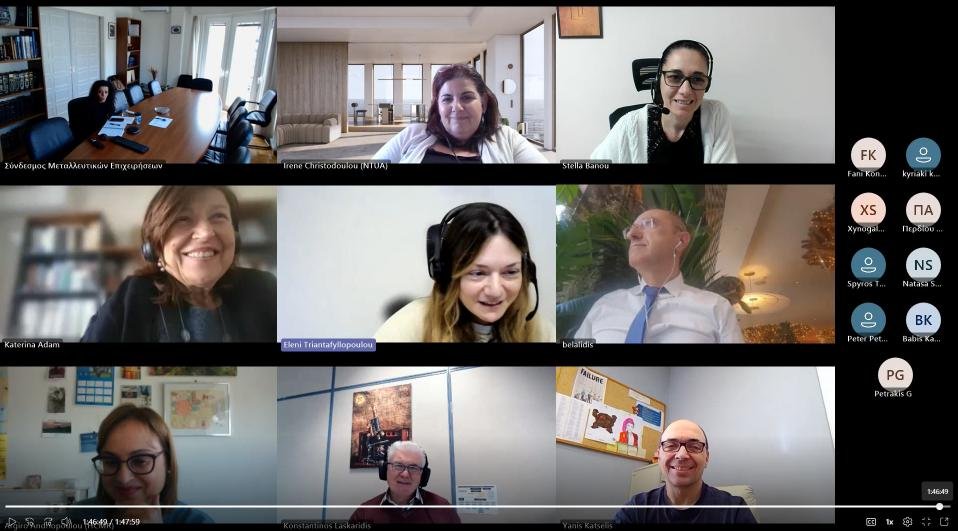
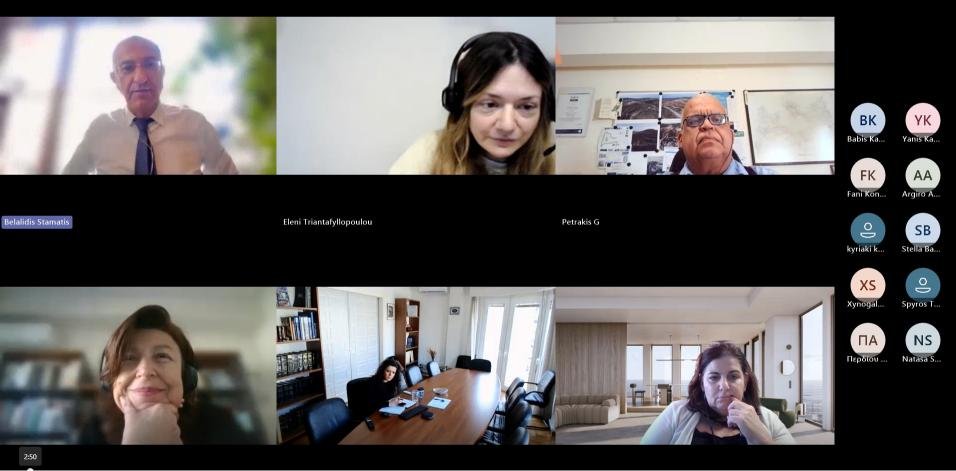
RM SLO PLUS Hub Focus Group on Social License to Operate (SLO) for Raw Materials
As part of the RM SLO PLUS Hub activities, project partners NTUA (National Technical University of Athens) and PASECO organized an online focus group aimed at supporting the proactive management of Social License to Operate (SLO) in the raw materials sector.
The session brought together a diverse group of stakeholders, including industry representatives, institutional and regulatory authorities, scientific and research organizations, as well as technical and ESG consultants.
Participants addressed key challenges related to building social trust in Greece, particularly in contexts affected by past environmental failures and a legacy of insufficient consultation practices. The discussion emphasized the need for methodological improvements in both regulatory frameworks and public consultation processes.
Several strategic directions were identified, including the importance of proactive and transparent engagement, the implementation of high-standard environmental practices and restoration measures, and the establishment of clear spatial planning mechanisms to reduce land-use conflicts. Participants also highlighted the role of transparent environmental monitoring systems, involving independent third-party bodies, as a means to validate data and rebuild trust.
A central conclusion of the focus group was the need to redefine relationships with local communities, recognizing them as essential partners rather than passive recipients of technical information. In addition, participants assessed local and regional educational and consultancy needs to support long-term capacity building for effective SLO management.
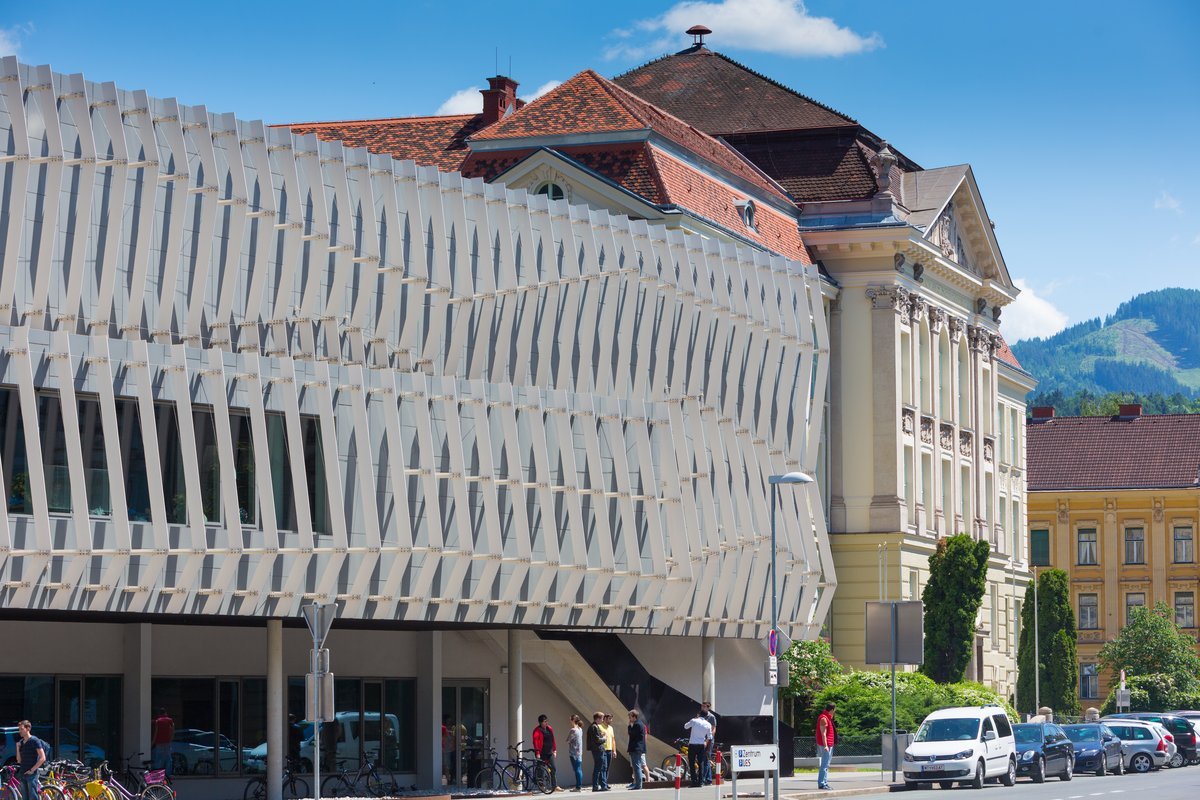
Meet Our Project Partners: MUL – Montanuniversität Leoben
Our partner, Montanuniversität Leoben (MUL), is a specialised technical university in Austria with a long-standing focus on raw materials, mining, metallurgy, and related fields. It was founded in 1840 and has since developed into one of the key academic institutions dedicated to education and research across the raw materials value chain. MUL structures its activities around five guiding principles: energy efficiency, climate neutrality, sustainability, zero waste and circular design, which are reflected in both its curricula and research agenda.
The University has extensive experience in European research and education initiatives and has participated in a wide range of EU-funded projects addressing technical, environmental, and social dimensions of raw materials production. Among these projects are MIREU, SUMEX, S34I, EnactSDGs and RM@Schools-ESEE, with a particular emphasis on sustainable mining practices, skills development, and stakeholder engagement. Through these projects, MUL has contributed to advancing interdisciplinary approaches that link engineering solutions with societal expectations and policy frameworks.
In addition to its project involvement, MUL plays an active role in developing and implementing innovative education formats. The University coordinates the EIT RawMaterials-funded PhD education project PRO-SLO, which focuses on strengthening professional competencies related to Social Licence to Operate (SLO).
Within the RM-SLO-PLUS-HUB project, Montanuniversität Leoben is responsible for Work Package 3 (Development and Delivery of Services). In this role, MUL contributes to the design and implementation of training and support services aimed at improving understanding of social aspects in raw materials operations.
Our project at MUL is represented by three dedicated members who combine expertise in education, industry, and sustainable mining. Mariaelena Murphy is the education portfolio manager and researcher at the Resources Innovation Center at MUL. She coordinates education initiatives and international projects, including PRO-SLO project, developing trans-disciplinary approaches that connect research, education, and societal challenges. Hanno Bertignoll manages and supports project activities as the link between Leoben, university institutes, and project partners, contributing practical insights from his background in mining engineering and industry experience. Michael Tost, Professor for Sustainable Mining Technology at MUL, brings his expertise in sustainable mining and environmental management, guiding the project’s research and training efforts to integrate responsible and practical approaches within raw materials sector.
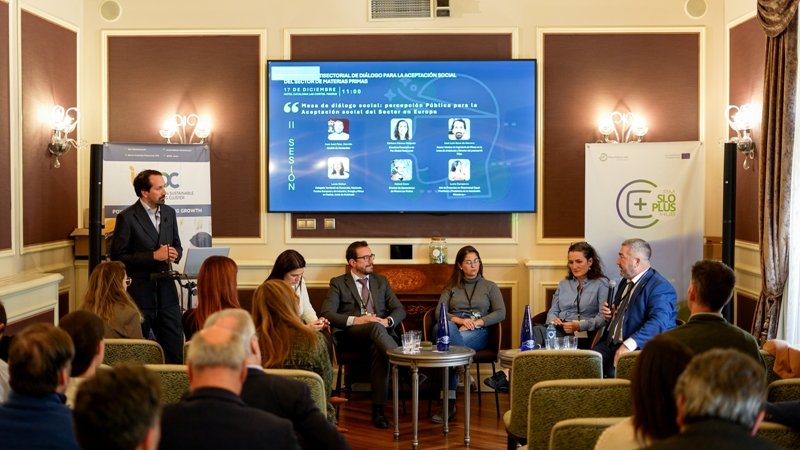
Workshop in Madrid Highlights the Importance of Social Licence to Operate
On 17 December in Madrid or partner the Iberian Sustainable Mining Cluster (ISMC), organized a stakeholder workshop brought together representatives from industry, public authorities, academia, civil society, and international organisations to explore the role of social acceptance in the delivery of raw materials projects. The event provided a structured platform to discuss how the Social Licence to Operate (SLO) can be effectively integrated into EU raw materials strategies.
Participants agreed that social acceptance is no longer a secondary concern or purely reputational issue. In today’s context of heightened societal scrutiny, environmental awareness, and governance expectations, SLO has become a necessary condition for project feasibility, alongside technical, legal, and financial requirements. They concluded that legitimacy is shaped locally, influenced by institutional credibility, historical context, and perceived fairness.
The first part of the workshop focused on connecting social acceptance to broader EU objectives, including supply security and international cooperation. While EU policies aim to accelerate strategic projects and strengthen partnerships, the discussions emphasised that successful implementation depends on alignment between policy ambition, governance capacity, and public trust. Without this alignment, permitting processes, investment decisions, and project timelines face increased risk.
The second part explored the territorial, social, and digital dimensions of legitimacy. Participants highlighted that technical feasibility and legal compliance alone are not enough because communities evaluate projects based on lived experience, historical memory, and fairness. SLO is strongest when embedded from the earliest stages in governance, stakeholder engagement, and communication. The workshop also underscored the growing role of digital platforms in shaping public perception, making clear and consistent communication more important than ever.
Overall, the workshop demonstrated that legitimacy is a strategic advantage. Organisations that integrate social acceptance into project planning, governance, and communication are better positioned to deliver resilient and sustainable raw materials projects. The RM-SLO-PLUS-HUB provides practical tools to support this approach, turning dialogue, trust, and engagement into concrete enablers of sustainability and supply security.